What’s the Difference Between Soft Washing and Pressure Washing?
The difference between soft washing and pressure washing is how each method cleans. Soft washing uses low-pressure water and specialized cleaning solutions to kill algae, mold, mildew, and bacteria while safely cleaning delicate surfaces like roofs and siding. Pressure washing relies on high-pressure water to remove dirt, grime, and stains from durable surfaces such as concrete, brick, and driveways. Choosing the right method depends on the material being cleaned, not simply how dirty it looks.
Soft Washing vs. Pressure Washing: Choosing the Right Cleaning Method for Your Home
At Sullivan Soft Wash, we believe the best exterior cleaning protects your home while delivering lasting results. Many homeowners assume every outdoor surface should be cleaned with high-pressure water, but that’s one of the most common misconceptions we encounter. Different materials require different cleaning methods, and using the wrong one can cause unnecessary damage.
Our team is trained to evaluate every surface before cleaning begins. Whether your roof has black streaks, your siding is covered in algae, or your driveway has years of built-up grime, we use the safest and most effective method for the job. Our goal is simple: restore your home’s beauty while protecting your investment for years to come.
Soft Washing vs. Pressure Washing: Which Method Is Best for Your Home?
The best cleaning method depends entirely on the surface you’re cleaning.
Soft washing is designed for materials that could be damaged by excessive water pressure. Pressure washing is intended for hard surfaces that can withstand higher PSI without being harmed. Professional exterior cleaning companies often use both techniques during the same project because every part of your property has different cleaning needs.
What Is Soft Washing?
Soft washing combines low-pressure water with biodegradable cleaning solutions that eliminate organic growth at its source.
Instead of blasting away stains, soft washing treats the underlying algae, mold, mildew, moss, and bacteria causing the discoloration. Because it kills the organisms instead of simply removing their surface stains, the results typically last longer than pressure washing alone.
Soft washing is ideal for:
- Asphalt shingle roofs
- Vinyl siding
- Stucco
- Painted wood
- Composite siding
- Fences
- Decks
- Outdoor furniture
- Gutters
One of the biggest advantages is that soft washing cleans thoroughly without risking cracked siding, chipped paint, or damaged roofing materials.
When Should Pressure Washing Be Used?
Pressure washing is best for hard, durable surfaces that need the force of high-pressure water.
Concrete, brick, stone, and similar materials can safely withstand pressure that would damage softer building materials.
Pressure washing works well for removing:
- Oil stains
- Mud
- Surface dirt
- Tire marks
- Built-up grime
- Loose paint
- Heavy debris
Common surfaces include:
- Driveways
- Sidewalks
- Concrete patios
- Pool decks
- Retaining walls
- Parking lots
While pressure washing is excellent at removing physical debris, it does not always eliminate the mold or algae causing stains to return. In many cases, those organisms continue growing unless treated with appropriate cleaning solutions.
Can Pressure Washing Damage Your Home?
Yes. High-pressure water can damage many common residential surfaces if it’s used incorrectly.
Pressure washers often operate between 1,500 and 4,000 PSI, which is more than enough force to damage roofing materials, siding, window seals, and painted surfaces when used improperly.
Potential damage includes:
- Stripped paint
- Gouged wood
- Cracked vinyl siding
- Broken window seals
- Water forced behind siding
- Damaged roof shingles
- Premature roof wear
According to the Asphalt Roofing Manufacturers Association (ARMA), high-pressure washing should not be used on asphalt shingle roofs because it can damage the protective granules that extend a roof’s lifespan. ARMA recommends low-pressure cleaning methods with appropriate cleaning solutions instead.
Why Does Soft Washing Last Longer?
Soft washing lasts longer because it kills the biological organisms causing the stains instead of only washing away their appearance.
Think of weeds in a garden. Cutting them at ground level doesn’t stop them from growing back. The same principle applies to algae and mildew on your home’s exterior.
Soft washing:
- Eliminates algae at the source
- Kills mold and mildew spores
- Helps slow future regrowth
- Produces longer-lasting results
- Protects delicate exterior materials
Pressure washing removes visible dirt effectively, but if algae or mold remain alive beneath the surface, staining can return much sooner.
Which Cleaning Method Will My Home Need?
Many homes benefit from both cleaning methods during the same visit.
A professional exterior cleaning company evaluates each surface individually rather than using one approach everywhere.
For example:
| Surface | Recommended Method |
|---|---|
| Roof | Soft washing |
| Vinyl siding | Soft washing |
| Stucco | Soft washing |
| Painted wood | Soft washing |
| Concrete driveway | Pressure washing |
| Sidewalks | Pressure washing |
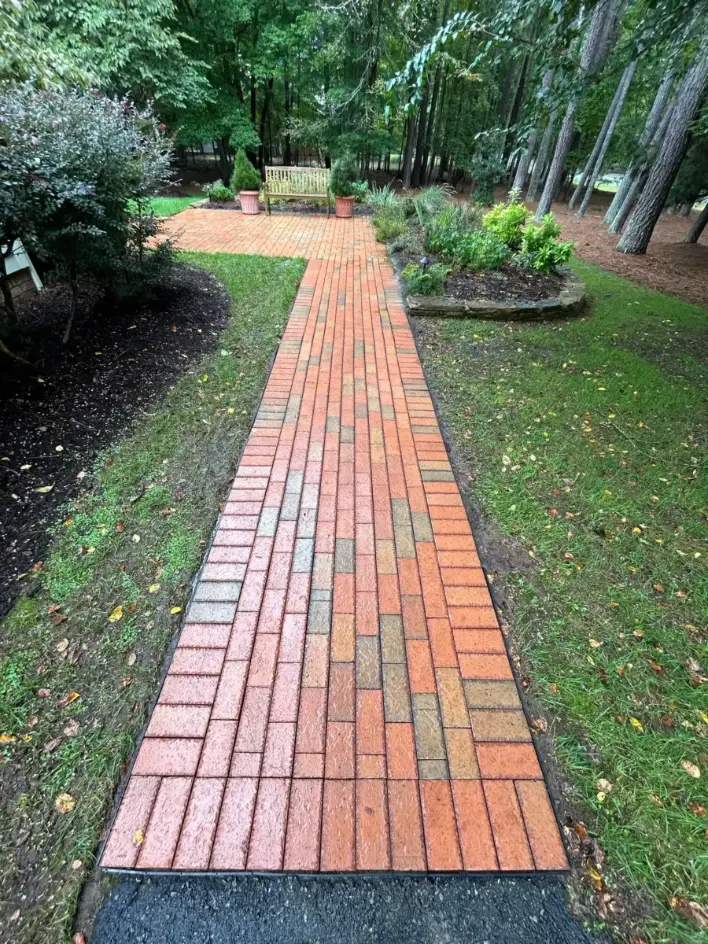
| Brick patio | Pressure washing |
| Fence | Usually soft washing |
This customized approach delivers the best results while minimizing the risk of damage.
Frequently Asked Questions
Is soft washing more expensive than pressure washing?
Pricing depends on the size of the project and the surfaces being cleaned. Soft washing often requires specialized cleaning solutions and additional preparation, but it also provides longer-lasting results on many surfaces.
Can soft washing remove black streaks from my roof?
Yes. Soft washing is specifically designed to remove the algae that causes black roof streaks. Industry organizations such as ARMA recommend low-pressure cleaning methods for asphalt shingles.
Is pressure washing safe for every part of my house?
No. Pressure washing is not appropriate for roofs, most siding materials, painted surfaces, or other delicate areas. Those surfaces are typically safer to clean using soft washing.
How often should I have my home’s exterior cleaned?
Most homes benefit from professional exterior cleaning every one to three years, depending on climate, shade, moisture, and the amount of algae or mildew growth.
Ready to Restore Your Home’s Exterior?
Choosing between soft washing and pressure washing doesn’t have to be confusing. At Sullivan Soft Wash, we carefully evaluate every surface and use the safest, most effective cleaning method to protect your home while delivering exceptional results.
Ready to restore your home’s curb appeal? Contact us today to request your free estimate and learn how Sullivan Soft Wash can safely clean your home’s exterior.